

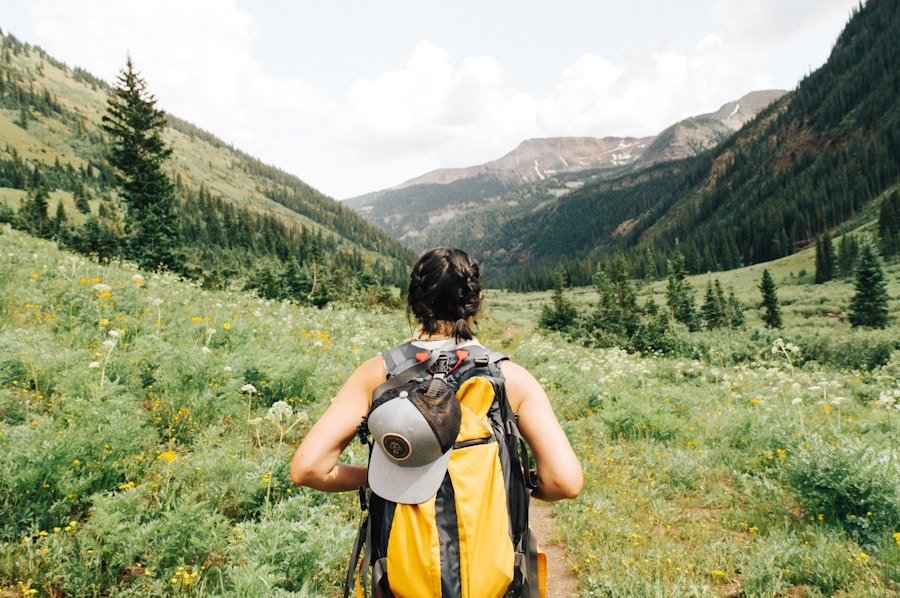
When it comes to solo travel, choosing the right destination is crucial. It’s important to consider factors such as safety, ease of navigation, and the availability of solo-friendly activities. Some destinations are more suited for solo travelers than others, so it’s essential to do thorough research before making a decision. For example, cities like Tokyo and Singapore are known for their safety and efficient public transportation systems, making them ideal for solo exploration. On the other hand, destinations with a strong backpacker culture, such as Southeast Asia or parts of Europe, can be great for meeting other solo travelers and forming connections. Ultimately, the right destination for solo travel will depend on individual preferences and comfort levels, but it’s important to consider factors such as language barriers, cultural differences, and the overall vibe of the destination.
When choosing a destination for solo travel, it’s also important to consider personal interests and preferences. Some solo travelers may prefer bustling cities with a vibrant nightlife, while others may be more drawn to natural landscapes and outdoor activities. It’s also worth considering the season and weather of the destination, as this can greatly impact the overall experience. For example, some destinations may be more enjoyable during certain times of the year due to festivals, events, or favorable weather conditions. Ultimately, the right destination for solo travel will be one that aligns with personal interests, comfort levels, and overall travel goals.
Packing Essentials for Solo Travel
Packing for solo travel requires careful consideration of essential items that will ensure a smooth and comfortable journey. It’s important to pack light and efficiently, as solo travelers are responsible for carrying their own luggage throughout their trip. Some packing essentials for solo travel include versatile clothing that can be layered for different weather conditions, comfortable walking shoes for exploring on foot, and a compact yet functional daypack for carrying essentials during day trips. It’s also important to pack necessary toiletries, medications, and first-aid supplies to ensure good hygiene and health while on the road.
In addition to clothing and personal care items, solo travelers should also consider packing essential travel accessories such as a universal adapter for electronic devices, a portable charger for staying connected on the go, and a reliable travel insurance policy for peace of mind. It’s also important to pack important documents such as passports, visas, and emergency contact information in a secure and easily accessible location. By packing efficiently and thoughtfully, solo travelers can ensure that they have everything they need for a successful and enjoyable journey.
Staying Safe and Healthy While Traveling Alone
Staying safe and healthy is a top priority for solo travelers, as they are solely responsible for their well-being while on the road. It’s important to take proactive measures to ensure personal safety, such as researching the safety of the destination, staying aware of surroundings, and avoiding risky situations. Solo travelers should also take precautions such as carrying a copy of important documents, keeping valuables secure, and being cautious when interacting with strangers. It’s also important to stay informed about local laws and customs to avoid unintentional offenses or misunderstandings.
In addition to personal safety, staying healthy is essential for enjoying a successful solo travel experience. This includes practicing good hygiene, staying hydrated, and eating well-balanced meals. It’s also important to be prepared for unexpected health issues by carrying necessary medications, first-aid supplies, and having access to medical care if needed. By prioritizing safety and health while traveling alone, solo travelers can minimize risks and enjoy a worry-free journey.
Making the Most of Solo Travel: Embracing Independence and Freedom
One of the greatest benefits of solo travel is the opportunity to embrace independence and freedom. Traveling alone allows individuals to make their own decisions, set their own pace, and fully immerse themselves in new experiences without compromise. Solo travelers have the freedom to explore off-the-beaten-path destinations, try new activities, and connect with locals in a way that may not be possible when traveling with others. Embracing independence also allows solo travelers to gain confidence, self-reliance, and a deeper understanding of themselves.
Solo travel also provides the opportunity for personal growth and self-discovery. Without the influence of companions or distractions, solo travelers have the chance to reflect on their thoughts and feelings, gain new perspectives, and challenge themselves in new ways. This can lead to increased self-awareness, resilience, and a greater appreciation for the world around them. By embracing independence and freedom while traveling alone, individuals can make the most of their journey and create lasting memories that are uniquely their own.
Connecting with Locals and Other Solo Travelers
Connecting with locals and other solo travelers can greatly enhance the solo travel experience by providing opportunities for meaningful interactions and cultural exchange. Solo travelers can connect with locals by participating in community events, visiting local markets or establishments, or engaging in volunteer opportunities. This allows them to gain insight into local customs, traditions, and ways of life that may not be readily accessible to tourists. By forming connections with locals, solo travelers can also gain valuable recommendations for authentic experiences and hidden gems within the destination.
In addition to connecting with locals, solo travelers can also seek out opportunities to meet other like-minded individuals on the road. This can be done through social media groups, online forums, or by staying in accommodations that cater to solo travelers such as hostels or guesthouses. By forming connections with other solo travelers, individuals can share experiences, tips, and support each other throughout their journey. This can lead to new friendships, shared adventures, and a sense of camaraderie that enriches the overall travel experience.
Budgeting and Money Management Tips for Solo Travel
Budgeting and money management are essential skills for solo travelers to ensure that they can make the most of their journey without overspending or running into financial difficulties. It’s important to set a realistic budget that takes into account all expenses including transportation, accommodation, food, activities, and unexpected costs. Solo travelers should also research the cost of living in their destination to have a clear understanding of how far their budget will stretch. It’s also important to have a contingency fund for emergencies or unexpected expenses.
In addition to setting a budget, solo travelers should also consider money management strategies such as using cash wisely, tracking expenses, and taking advantage of cost-saving opportunities such as discounts or free attractions. It’s also important to have access to multiple forms of payment such as credit cards, debit cards, and cash in case of emergencies or unforeseen circumstances. By being mindful of budgeting and money management while traveling alone, individuals can make their funds last longer and have a more enjoyable experience without financial stress.
Overcoming Solo Travel Challenges: Loneliness, Language Barriers, and Cultural Differences
While solo travel offers many rewards, it also comes with its own set of challenges that individuals must navigate. Loneliness can be a common challenge for solo travelers who may miss the companionship of friends or family members. To overcome loneliness while traveling alone, individuals can seek out social activities such as group tours or classes, connect with other travelers or locals through social media or online communities, or simply embrace solitude by engaging in activities that bring joy and fulfillment.
Language barriers can also present challenges for solo travelers when navigating unfamiliar destinations or communicating with locals. To overcome language barriers, individuals can learn basic phrases in the local language, use translation apps or devices, or seek out English-speaking establishments or tour guides. By making an effort to communicate respectfully and openly despite language differences, solo travelers can bridge cultural gaps and form connections with locals.
Cultural differences can also pose challenges for solo travelers when navigating unfamiliar customs or social norms. To overcome cultural differences while traveling alone, individuals can research local customs and etiquette before arriving at their destination, observe and respect local traditions, and remain open-minded when encountering unfamiliar practices. By approaching cultural differences with curiosity and respect rather than judgment or discomfort, solo travelers can gain valuable insights into different ways of life and broaden their cultural awareness.
In conclusion, solo travel offers a unique opportunity for individuals to explore the world on their own terms while gaining valuable experiences and personal growth along the way. By choosing the right destination, packing efficiently, prioritizing safety and health, embracing independence and freedom, connecting with locals and other solo travelers, budgeting wisely, and overcoming challenges with resilience and adaptability, solo travelers can create memorable journeys that are both enriching and fulfilling. Whether it’s embarking on a solo adventure for the first time or seeking new horizons as an experienced traveler, the rewards of solo travel are boundless for those who are willing to embrace the journey with an open heart and mind.