

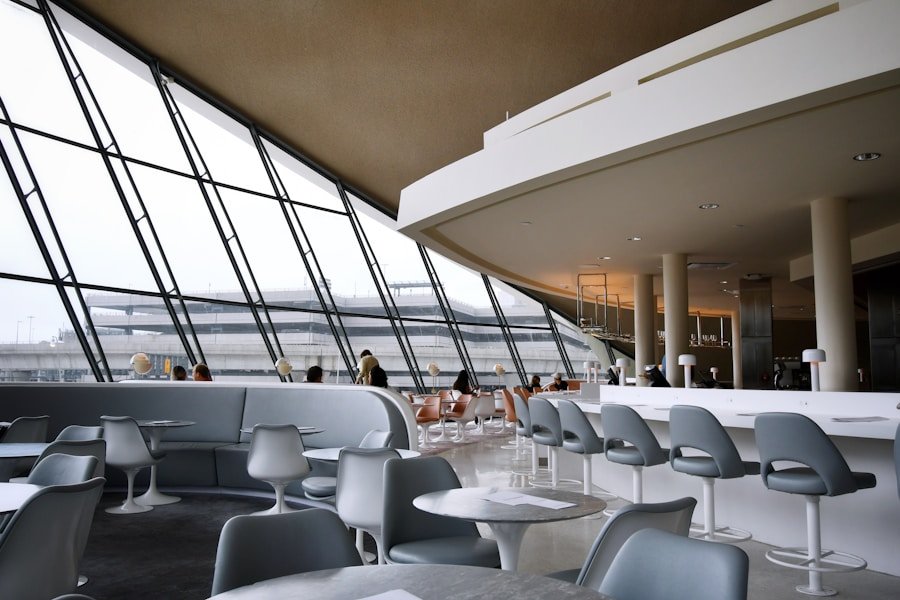
Business travel has always been an essential aspect of the corporate world, allowing professionals to meet clients, attend conferences, and explore new markets. However, the landscape of business travel is rapidly evolving, driven by technological advancements, changing consumer preferences, and a growing emphasis on sustainability and wellness. As we look to the future, it’s clear that the way we approach business travel will continue to undergo significant transformation. This article will explore some of the key trends shaping the future of business travel and how they are impacting the way companies and employees approach their travel needs.
Technology and Automation in Business Travel
One of the most significant developments in the future of business travel is the increasing role of technology and automation. From booking flights and accommodations to managing expenses and navigating unfamiliar cities, technology is streamlining and simplifying every aspect of the business travel experience. Mobile apps and digital platforms are providing travelers with real-time updates, personalized recommendations, and seamless communication with colleagues and clients. Additionally, advancements in artificial intelligence and machine learning are enabling companies to automate routine tasks, such as expense reporting and itinerary planning, freeing up valuable time for employees to focus on more strategic aspects of their trips. As technology continues to advance, we can expect even greater integration of automation and artificial intelligence into the business travel experience, making it more efficient, personalized, and enjoyable for travelers.
On the other hand, technology also brings challenges such as data security and privacy concerns. As companies rely more on digital platforms for their business travel needs, they must prioritize cybersecurity measures to protect sensitive information and ensure the safety of their employees while traveling. Additionally, as automation becomes more prevalent, there is a growing need for employees to develop digital literacy skills to effectively navigate and utilize the various technological tools available to them. Overall, while technology and automation offer numerous benefits for business travel, it’s essential for companies to address the potential risks and invest in the necessary resources to ensure a secure and seamless travel experience for their employees.
Sustainable and Eco-Friendly Practices in Business Travel
In recent years, there has been a growing emphasis on sustainability and eco-friendly practices in all aspects of business, including travel. As concerns about climate change and environmental impact continue to rise, companies are increasingly prioritizing sustainable travel options for their employees. This includes initiatives such as carbon offset programs, promoting public transportation and carpooling, and encouraging the use of eco-friendly accommodations. Additionally, many companies are reevaluating their travel policies to minimize unnecessary trips and explore virtual meeting alternatives whenever possible. By incorporating sustainable practices into their business travel strategies, companies can reduce their carbon footprint and contribute to a more environmentally conscious approach to corporate travel.
Furthermore, sustainable practices in business travel also have the potential to positively impact a company’s brand image and reputation. As consumers become more environmentally conscious, they are increasingly seeking out businesses that demonstrate a commitment to sustainability. By aligning their travel practices with eco-friendly principles, companies can enhance their corporate social responsibility efforts and appeal to environmentally conscious customers and employees. Ultimately, as the future of business travel continues to unfold, it’s clear that sustainability will play an increasingly significant role in shaping corporate travel policies and practices.
Personalization and Customization in Business Travel
Another key trend shaping the future of business travel is the growing demand for personalization and customization. Today’s travelers expect a more tailored and individualized experience that meets their specific needs and preferences. This includes everything from personalized travel itineraries and accommodations to curated dining recommendations and leisure activities. Companies are increasingly leveraging data analytics and customer insights to create personalized travel experiences for their employees, ensuring that each trip is tailored to their unique preferences and requirements. Additionally, advancements in technology are enabling companies to offer personalized travel services through mobile apps and digital platforms, providing travelers with real-time updates and personalized recommendations based on their individual preferences.
Moreover, personalization in business travel extends beyond just the travel experience itself. Companies are also recognizing the importance of providing personalized support and assistance to their employees throughout their trips. This includes offering access to 24/7 customer service, providing assistance with visa applications and language translation, and ensuring that employees have access to necessary resources and support while traveling. By prioritizing personalization and customization in their business travel strategies, companies can enhance employee satisfaction, productivity, and overall well-being during their trips.
Health and Wellness in Business Travel
The future of business travel is also placing a greater emphasis on health and wellness considerations for employees on the road. As companies recognize the impact of travel-related stress and fatigue on employee well-being and productivity, there is a growing focus on integrating health and wellness initiatives into corporate travel policies. This includes initiatives such as promoting healthy eating options during business trips, providing access to fitness facilities at accommodations, and offering mental health resources for employees who may experience stress or anxiety while traveling. Additionally, companies are exploring ways to minimize the negative health impacts of frequent travel, such as jet lag and disrupted sleep patterns, by incorporating strategies for managing time zone differences and optimizing sleep schedules.
Furthermore, as the COVID-19 pandemic has highlighted the importance of health and safety while traveling, companies are implementing enhanced health protocols and hygiene standards to ensure the well-being of their employees during business trips. This includes providing access to personal protective equipment, implementing rigorous cleaning procedures at accommodations and transportation facilities, and offering guidance on safe travel practices. By prioritizing health and wellness in their business travel strategies, companies can demonstrate a commitment to employee well-being while also enhancing productivity and performance during trips.
The Rise of Bleisure Travel (Business + Leisure)
One of the most notable trends in the future of business travel is the rise of bleisure travel – a combination of business and leisure travel experiences. As professionals seek to balance work commitments with personal interests and relaxation, there is a growing trend towards extending business trips to include leisure activities before or after work-related engagements. This allows employees to explore new destinations, experience local culture, and enjoy leisure activities while still fulfilling their professional responsibilities. Companies are increasingly recognizing the benefits of bleisure travel for employee satisfaction and retention, as well as its potential to enhance productivity by allowing employees to recharge and rejuvenate during their trips.
Moreover, bleisure travel also presents opportunities for companies to foster stronger relationships with clients and partners by incorporating leisure activities into business meetings or events. By offering opportunities for shared experiences outside of traditional work settings, companies can build rapport with clients in a more relaxed and informal environment. Additionally, bleisure travel can contribute to a more positive work-life balance for employees, as it allows them to combine professional obligations with personal interests and hobbies while traveling.
The Impact of Remote Work on Business Travel
The rise of remote work has had a significant impact on the future of business travel. As more companies embrace flexible work arrangements and virtual collaboration tools, there is a growing shift towards virtual meetings and remote work alternatives that reduce the need for frequent business travel. While remote work offers numerous benefits such as cost savings, increased flexibility, and reduced environmental impact, it also presents challenges for maintaining strong client relationships and fostering effective communication with colleagues across different locations.
However, despite the rise of remote work, there remains a continued need for face-to-face interactions in certain business scenarios. While virtual meetings can be effective for routine discussions and updates, in-person meetings are often essential for building trust, negotiating deals, and fostering strong partnerships with clients and colleagues. As a result, companies are reevaluating their approach to business travel by prioritizing trips that offer significant value through in-person interactions while leveraging virtual alternatives for routine communication.
In conclusion, the future of business travel is being shaped by a combination of technological advancements, sustainability initiatives, personalization efforts, health and wellness considerations, bleisure travel trends, and the impact of remote work. As companies navigate these evolving trends, it’s essential for them to prioritize employee well-being, environmental responsibility, client relationships, and overall productivity when developing their business travel strategies. By embracing these trends and adapting to changing consumer preferences, companies can ensure that their business travel practices remain relevant, efficient, and aligned with the evolving needs of their employees and clients in the years to come.